
 English
 Français
 Español
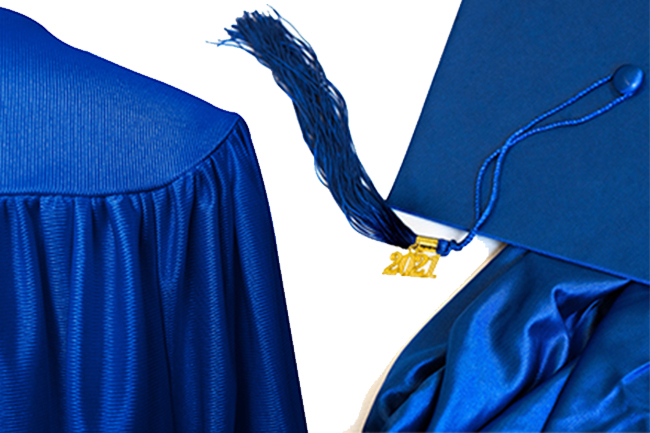
As an essential part of academic ceremonies, graduation gowns are not merely costumes—they are symbols of achievement and longevity. For schools and institutions purchasing these garments in bulk, understanding how craftsmanship, stitching, and accessories influence their service life is critical to making cost-effective and durable choices. In this blog, we’ll break down the key factors that determine how long your graduation gowns will last, helping you select the best options for your needs.
1. Craftsmanship: The Foundation of Durability
The overall quality of a graduation gown begins with its craftsmanship. This includes everything from fabric selection to the precision of the design.
- Fabric Quality: High-quality fabrics like polyester, satin, or a blend of materials are inherently more durable than cheap alternatives. Polyester, for example, is resistant to wrinkles and shrinking, making it ideal for repeated use. Satin adds a luxurious feel but requires more care.
- Cut and Construction: A well-cut gown ensures that seams align properly and stress points (e.g., shoulders, cuffs) are reinforced. Poorly cut gowns may develop gaps or tear at the seams over time.
- Lining and Interlining: A quality lining prevents the outer fabric from snagging and adds structure, while interlining (a layer between the outer fabric and lining) enhances warmth and longevity.
2. Stitching: The Backbone of Longevity
Stitching is one of the most critical factors affecting a gown’s lifespan. Even the best fabric will fail if the seams are poorly done.
- Thread Quality: Using high-thread-count thread (e.g., 40/2 or 60/2) ensures that the stitches are strong and less likely to fray. Low-quality thread can snap or loosen over time, leading to unsightly tears.
- Stitch Density: A higher stitch density (more stitches per inch) creates a stronger seam. For graduation gowns, a density of 8–10 stitches per inch is recommended for durability.
- Seam Types: Flat-felled seams (where the edges are folded over and sewn) are stronger than open seams, as they distribute stress more evenly. French seams (stitches hidden inside the fabric) also prevent fraying and add a polished look.
- Reinforcement at Stress Points: Shoulders, cuffs, and hems are high-wear areas. Reinforcing these with bartacks (small, X-shaped stitches) or double stitching ensures they hold up to repeated wear.
3. Accessories: Small Details That Matter
Accessories like hoods, tam o’ shanters, and tassels may seem minor, but they can significantly impact a gown’s longevity.
- Hoods: The lining and construction of the hood are crucial. A poorly lined hood may tear when pulled over the head, while a thin hood may not withstand the weight of tassels or decorations.
- Tassels and Decorations: Tassels made from high-quality, tightly twisted thread are less likely to unravel. Decorations like badges or embroidery should be securely attached with strong thread to avoid falling off or damaging the fabric.
- Buttons and Fasteners: Sturdy buttons (e.g., covered buttons) and reliable hooks/eyes ensure that the gown stays closed, reducing strain on the seams.
4. How to Maximize Your Gowns’ Lifespan
While the initial quality of the gown is important, proper care can extend its life significantly:
- Washing Instructions: Follow the care label—most graduation gowns can be machine-washed in cold water with a gentle cycle. Avoid using bleach or fabric softeners, which can weaken the fabric.
- Storage: Hang gowns in a cool, dry place to prevent wrinkles and mildew. Avoid folding them for long periods, as this can damage the fabric.
- Professional Cleaning: For gowns with delicate fabrics or intricate decorations, consider professional cleaning to preserve their quality.
Conclusion
When purchasing graduation gowns, don’t just focus on the price—invest in quality craftsmanship, precise stitching, and durable accessories. These factors will not only make your gowns look better for longer but also save you money in the long run by reducing the need for frequent replacements. By choosing gowns built to last, you’ll ensure that your graduates feel proud and look their best for years to come.


