
 English
 Français
 Español
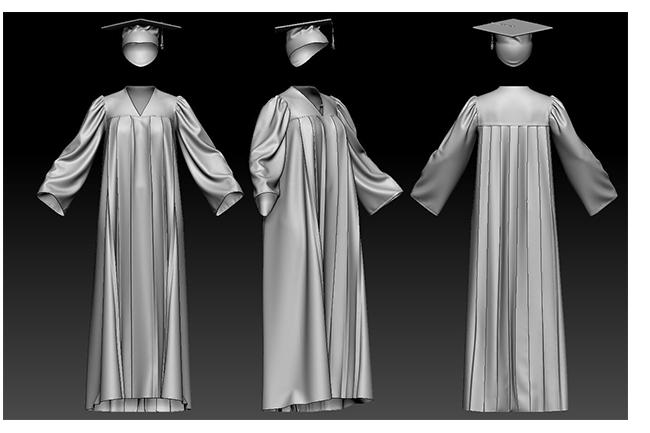
Graduation day is a milestone moment filled with pride and a sense of accomplishment. At the center of this significant occasion stands the graduation robe and cap, symbols of academic achievement. In recent years, modern technology has revolutionized the production of these iconic garments, bringing about a remarkable transformation in design, functionality, and sustainability.
One of the most notable technological advancements is the use of 3D modeling and computer - aided design (CAD) in the initial stages of graduation robe and cap production. Designers can now create highly detailed digital prototypes, experimenting with different colors, patterns, and fabric textures without the need for physical samples. This not only saves time and resources but also allows for greater customization. For instance, universities can incorporate their unique colors and logos into the design more precisely, ensuring that each graduation gown and cap is a true representation of the institution's identity. Students, too, can have a say in small details such as the style of the cap tassel or the length of the robe, making their graduation attire more personalized.
Another area where technology has made a significant impact is in the selection and development of materials. Smart fabrics are now being used in the production of graduation robes. These fabrics can have properties such as temperature regulation, moisture - wicking, and stain - resistance. For example, on a hot summer graduation day, robes made from moisture - wicking materials can keep graduates comfortable by quickly absorbing sweat and allowing it to evaporate, preventing the discomfort of damp clothing. Additionally, sustainable materials are becoming increasingly popular. With the growing awareness of environmental issues, manufacturers are using recycled polyester, organic cotton, and other eco - friendly materials in the production of graduation robes and caps. This not only reduces the environmental impact but also aligns with the values of many educational institutions and students who are passionate about sustainability.
Automation has also transformed the manufacturing process of graduation robes and caps. Robotic systems are now used for tasks such as cutting, sewing, and embroidery. Automated cutting machines can precisely cut fabric according to the digital designs created using CAD, reducing fabric waste and increasing production efficiency. Sewing robots can stitch the garments with high precision and speed, ensuring consistent quality. Embroidery robots can accurately reproduce complex logos and patterns, adding a touch of elegance to the graduation attire. This automation not only speeds up the production process but also minimizes human error, resulting in higher - quality products.
Furthermore, augmented reality (AR) and virtual reality (VR) technologies are enhancing the shopping experience for graduation robes and caps. Prospective graduates can use AR apps on their smartphones to virtually try on different styles of robes and caps, visualize how they would look on themselves, and make more informed purchasing decisions. VR technology can also be used in virtual graduation fairs, where students can explore various vendors' offerings, interact with representatives, and place orders, all from the comfort of their own homes.
In conclusion, the application of modern technology in the production of graduation robes and caps has brought about a plethora of benefits. From more personalized and stylish designs to enhanced comfort, sustainability, and an improved shopping experience, technology continues to shape this important aspect of graduation ceremonies. As we move forward, it is exciting to anticipate how further technological innovations will continue to evolve the tradition of graduation attire, making each graduation day even more memorable.


