
 English
 Français
 Español
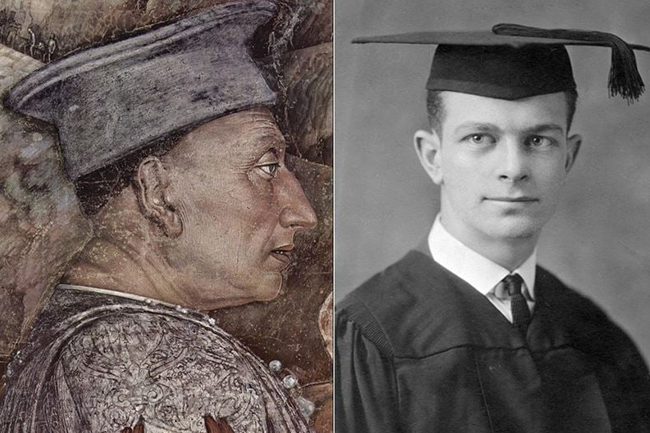
Step into any graduation ceremony, and you’ll spot rows of square-topped mortarboards—symbols of hard work and achievement. But where did this iconic headgear come from? Its history stretches centuries, linking medieval universities, religious traditions, and academic identity. Here’s the key story of how it became the symbol we know.
Medieval Roots: Monks, Scholars, and Practical Hats
The graduation cap’s origins lie in 12th–13th century Europe, home to the first universities (e.g., Bologna, Paris, Oxford). Back then, most scholars were monks or clerics, who wore long robes (“cassocks”) to stay warm in unheated buildings—and simple, close-fitting hats to protect their heads.
A common style was the “biretta”: a square or rounded cap with a small tuft, worn by priests and scholars. Its square shape was practical (easy to fold into robes) and signaled the wearer as a “man of learning.” As universities separated from religious institutions, the biretta stayed, becoming a visual marker of scholarly authority.
From Biretta to Mortarboard: The Cap’s Evolution
By the 16th century, the biretta evolved into today’s style—most notably gaining a flat, square top that earned it the “mortarboard” nickname (it resembles a mason’s mortar-holding tool). Historians have theories for the flat top:
- Practicality: It let scholars balance books/papers on their heads.
- Symbolism: It represented the “four corners of knowledge” (science, literature, philosophy, theology).
- Fashion: Renaissance-era structured clothing favored sturdier, flatter designs.
By the 18th century, mortarboards were standard in English and Scottish academic dress. European scholars brought the tradition to America, where Harvard (1636) and Yale (1701) adopted it—securing its place in U.S. graduation culture.
The Tassel: Small Detail, Big Meaning
No mortarboard story is complete without the tassel. Originally, tassels denoted a scholar’s field of study or rank: medieval universities used colors like red (theology), blue (philosophy), and green (medicine). Today, schools still use color-coding (e.g., gold for engineering, white for nursing), though hues vary.
The most iconic tassel tradition? Flipping it from the right to the left during graduation. This simple act symbolizes the shift from “student” to “graduate”—a century-old ritual that often unites entire classes in a collective moment.
Modern Twists: Tradition Meets Today
While the mortarboard’s basic design hasn’t changed, modern graduates personalize theirs with stickers, glitter, or hand-painted messages—expressing personality while honoring history. Recent tweaks also boost inclusivity: adjustable bands for all head shapes, and eco-friendly versions made from recycled materials, showing tradition can adapt.
Why the Graduation Cap Endures
In a world of fading traditions, the mortarboard stays relevant. It’s a bridge between past and present: when a graduate puts it on, they connect to medieval monks, Renaissance philosophers, and 19th-century students—all united by a love of learning.
It’s also a universal symbol of hope. Whether you graduate in Iowa or Tokyo, the cap tells a story of perseverance and curiosity. It’s a reminder that education is timeless, and every graduate is part of humanity’s ongoing pursuit of knowledge.
Final Thoughts
Next time you see a mortarboard, pause to appreciate its journey: from a monk’s practical hat to a global symbol of achievement. It’s proof that small objects can carry huge meaning—rooted in tradition, yet alive in today’s celebrations.
To graduates: When you flip that tassel, remember—you’re not just wearing a hat. You’re wearing history. Congratulations.


