
 English
 Français
 Español
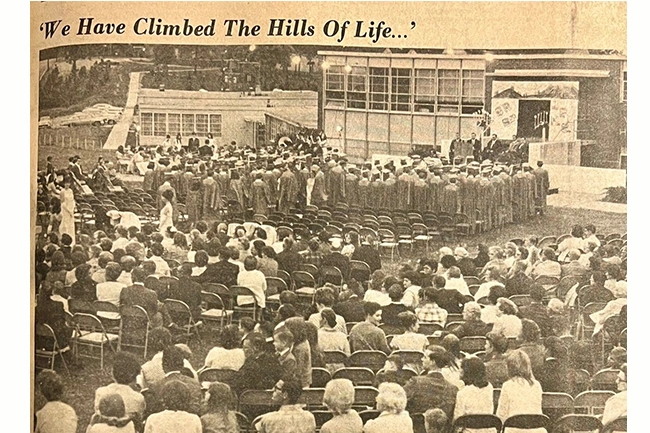
Today’s graduation traditions—caps, gowns, diplomas, and speeches—feel eternal, but they trace back to medieval Europe, shaped by religion, academia, and global evolution. Here’s their story in brief.
Medieval Roots: Church and Scholarship
The first graduation-like rituals emerged in 12th–13th century European universities (Bologna, Oxford, Paris), which were tied to the Catholic Church. These events weren’t for students but teacher licensing ceremonies called “inception.” Scholars proved their expertise through public debates to earn the right to teach, a process linked to the Latin “graduare” (“to award a degree”).
Robes and hoods, borrowed from monks (who wore them for warmth in cold stone buildings), became symbols of scholarly status—foreshadowing today’s regalia.
From Religion to Student Focus
By the 15th century, universities broke from strict church control, and ceremonies shifted to honor students. Diplomas evolved from church letters of recommendation into official completion certificates.
Oxford and Cambridge formalized traditions: hoods with colored fabrics signaled degrees (e.g., red for theology), adding prestige. Europe adapted rituals locally—Germany emphasized academic freedom in speeches; France’s “remise des diplômes” grew more formal.
American Adaptations
Colonial U.S. universities (Harvard, founded 1636) adopted British traditions: robes, Latin prayers, processions. Post-independence, ceremonies evolved—speeches switched to English, focusing on democracy and progress. The playful cap toss gained 20th-century popularity, possibly starting at the U.S. Naval Academy.
Global Spread
By the 1900s, graduations went global, blending local culture:
- Japan’s “sotsugyō shiki” mixes Western rites with bowing and handwritten messages.
- India pairs academic robes with saris/dhotis.
- African nations like Nigeria add music and dance to honor achievement and identity.
Why It Endures
Graduation remains a rite of passage, marking transition. Robes link us to history, diplomas validate effort, and community gatherings celebrate education as a shared journey. From medieval halls to modern stadiums, its purpose endures: honoring growth and new beginnings.


